Strengthening Preparedness and Resilience through Inclusive Community Governance (SPRING) Project

Strengthening Preparedness and Resilience through Inclusive Community Governance (SPRING) Project

About the Project

SPRING was an 18-month project, implemented by MRC in partnership with the National Disaster Management Authority (NDMA) and the Asian Disaster Preparedness Center (ADPC), with funding support from the USAID Bureau of Humanitarian Assistance from from February 2023 - August 2024. Aligned with MRC's strategic priorities on Strengthening Emergency Response and Facilitating Planning for Resilience, its aim was to strengthen community preparedness and resilience through an inclusive, all-of-society approach. The project worked through two connected components, community awareness and mobilization, and capacity building, empowering local stakeholders such as island councils and community-based organizations, while also strengthening MRC's own response capacity, engaging the private sector, and improving coordination between agencies.
Project Impact

Over 18 months, SPRING built preparedness at every level: island communities developing their own disaster management plans and response skills, public awareness reaching households directly, and national forums bringing agencies and the private sector together.

5,162+

People reached

7

Target Islands & Island Disaster Management Plan (IDMP) developed

188

Individuals Trained in First Aid & Psychological First Aid

4299

People Reached through Public Outreach and Awareness on Disaster Risk Reduction

Focusing on two core components, community awareness and mobilization, and capacity building, the SPRING project focused on empowering local stakeholders, such as local councils and community-based organizations, through capacity development, fostering partnership, awareness campaigns, and knowledge sharing. Through this whole-of-society approach, the project also helped strengthen emergency response capacity, engagement of the private sector in disaster risk management, and interagency coordination.

What the project delivered

Building resilience at every level

Assessing risk and planning

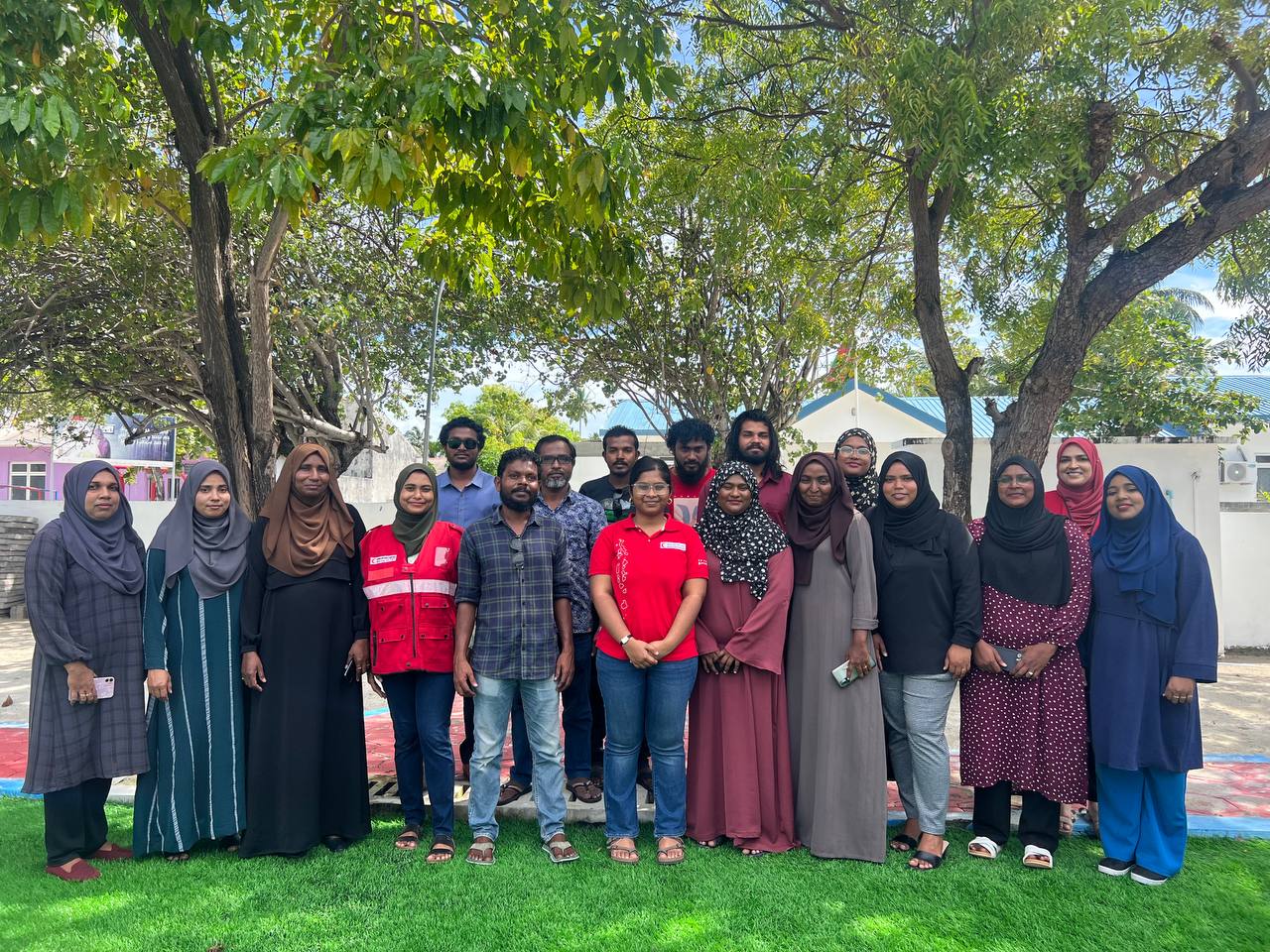
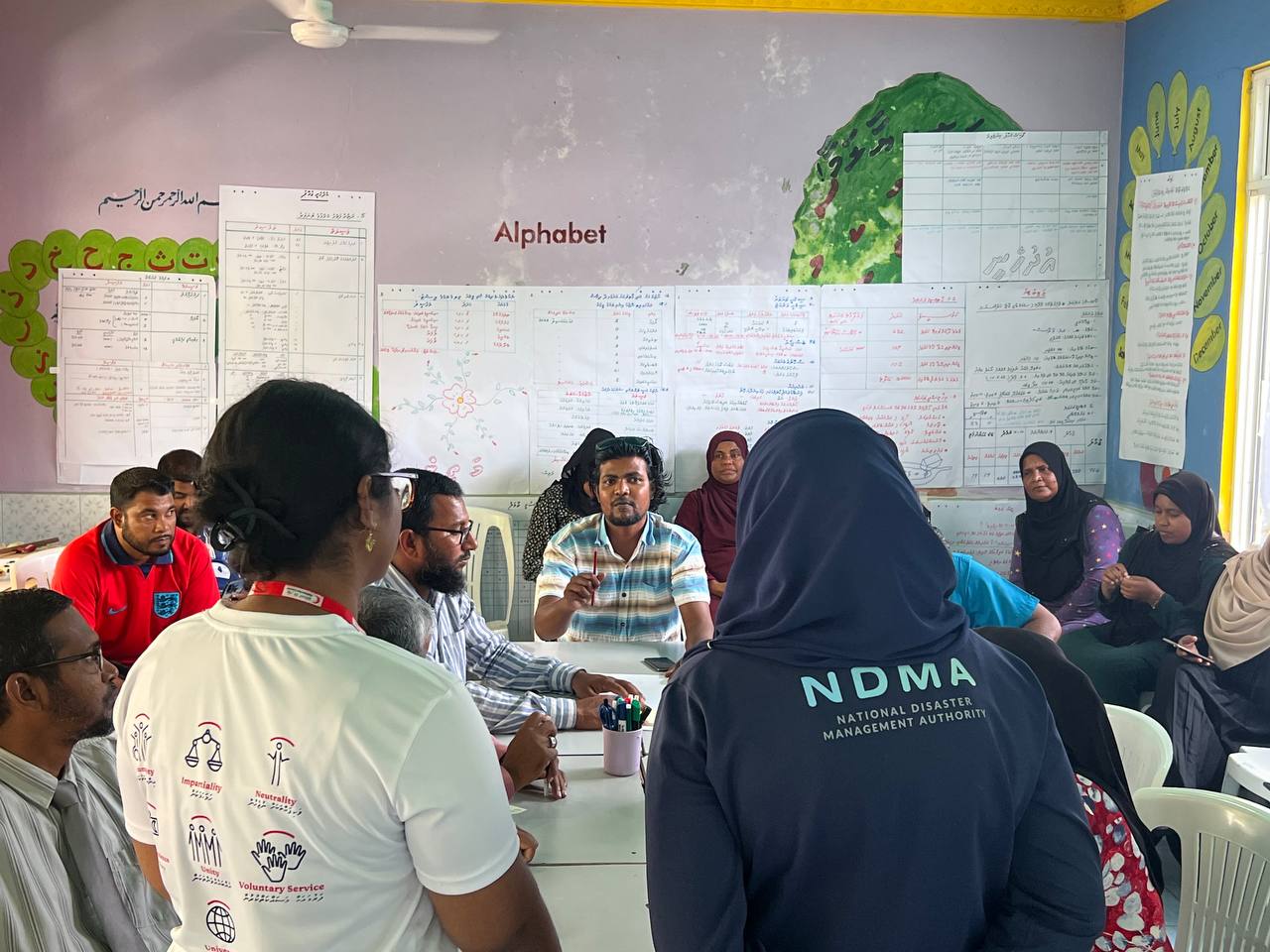
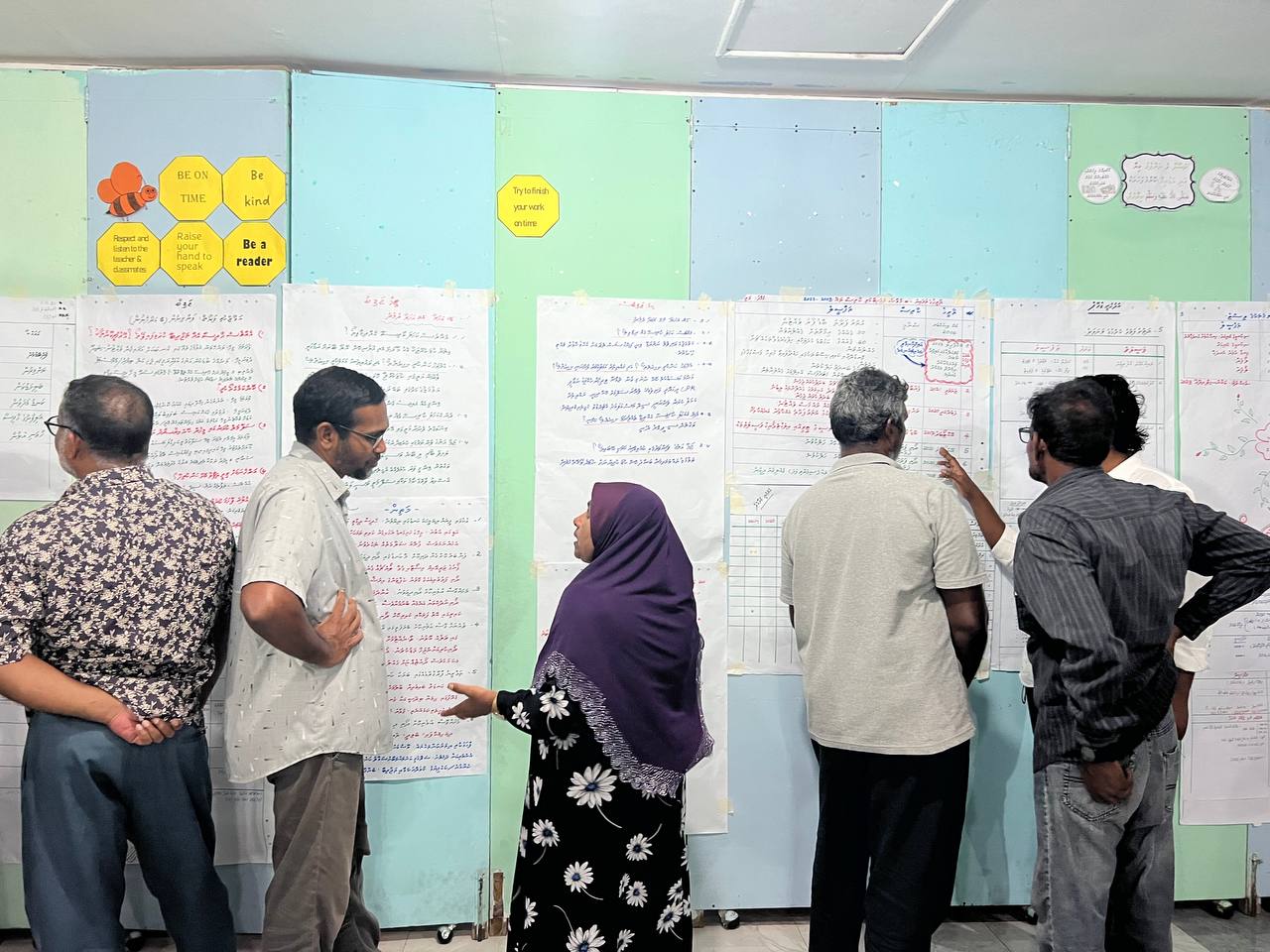
Using the Hazard, Vulnerability and Capacity Assessment process, MRC worked with seven island communities to develop their own Island Disaster Management Plans, practical frameworks for how each island would prepare for, respond to, and recover from disasters. The plans were brought to life with community resource maps showing evacuation centres, assembly points, and emergency contacts

Community action and response capacity

Turned plans into action through Priority Implementation Projects, community-chosen initiatives that closed the most pressing gaps each island identified. Community members were trained in First Aid and Psychological First Aid, students learned about fire prevention and were equipped with extinguishers, and a contextualized Community Action for Disaster Response (CADRE) course built local response skills from basic life support to search and rescue.

Strengthening MRC's capacity

Invested in MRC's own readiness and capacity building by supporting emergency response induction trainings, and establishing a pool of trained Enhanced Vulnerability Capacity Assessment VCA facilitators

Strengthening Emergency and interagency coordination.

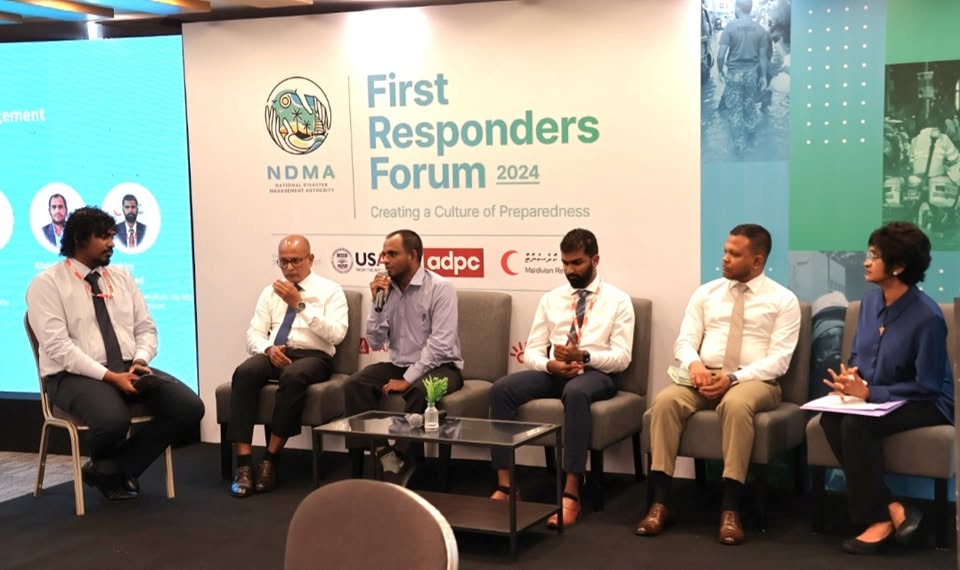
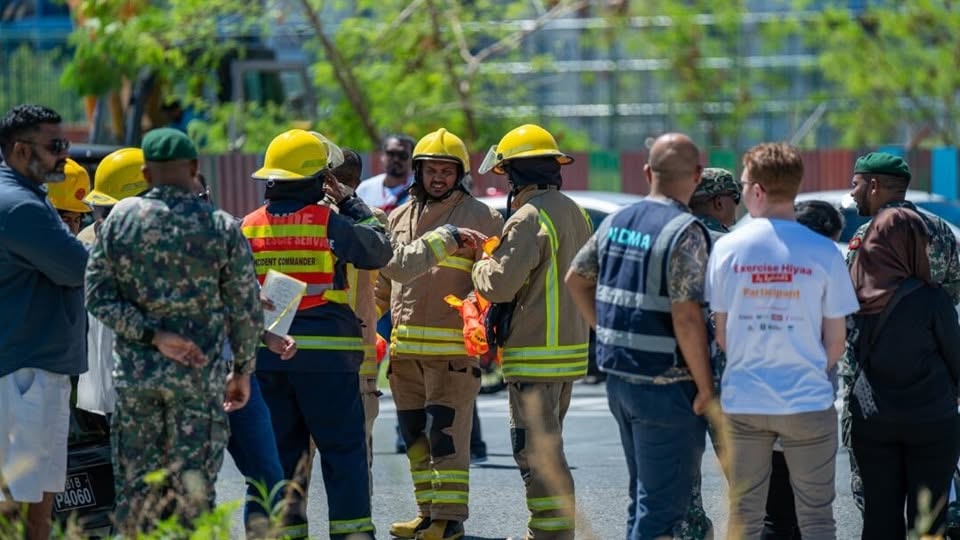
Strengthened the way the country's response agencies work together. It supported Exercise Hiyaa, the first full-scale high-rise building simulation in the Maldives, which brought eleven agencies together to test evacuation and firefighting in an urban setting and informed a policy paper to the President's Office. It also backed the inaugural First Responders Forum, convening more than forty organizations to share knowledge, strengthen inter-agency coordination, and build a national culture of preparedness.

Raising public awareness

Developed accessible knowledge products, including a bilingual Handbook on Disaster Preparedness covering the country's main hazards and key emergency numbers. The handbook was shared door to door across the target islands and online, putting practical, life-saving information directly into people's hands.

Engaging the private sector

Brought businesses into disaster risk management. A business continuity workshop helped small and medium enterprises plan to keep running through a disaster, and a national policy dialogue with government, business, and partners set out recommendations for stronger private sector engagement in the years ahead.

Voice from the islands

Behind every plan and training are the people at the heart of the project. Hear from some of the community members who took part in SPRING.

"Learning what to do during an emergency, and how to prepare for one, was one of the most important things I learnt. Getting to know the key terms around disaster risk reduction was a highlight too."

M

Mariyam

Ga. Dhevvadhoo, Participant

Standard First Aid is essential for any community. Knowing how to provide basic first aid in an emergency can make a real difference, especially on an island like ours. Thanks to this training, I feel more confident and prepared to help in case of an accident or disaster.

P

Participant

K. Dhiffushi

Highlights from the project

A closer look at some of the project's standout moments, from a first-of-its-kind high-rise simulation to a national forum bringing first responders together.