Building an Island — The Story of IFRC's Largest Post-Tsunami Reconstruction Project
The largest post-tsunami reconstruction project ever undertaken by the IFRC and the story of the community it was built for.
A community in need of a new home
Among the islands most severely affected by the 2004 Indian Ocean Tsunami was Raa Kandholhudhoo. The wave left the island with significant damage and displaced its entire population of approximately 3,700 people. After a careful assessment, the government determined that rebuilding on Kandholhudhoo was not feasible — the island was small, low-lying, and had already been densely settled before the disaster.
The community needed a new home. And it was this need, the need of an entire people to start again somewhere safe, somewhere planned, somewhere theirs that became the foundation of the largest post-tsunami reconstruction project the International Federation of Red Cross and Red Crescent Societies had ever undertaken.
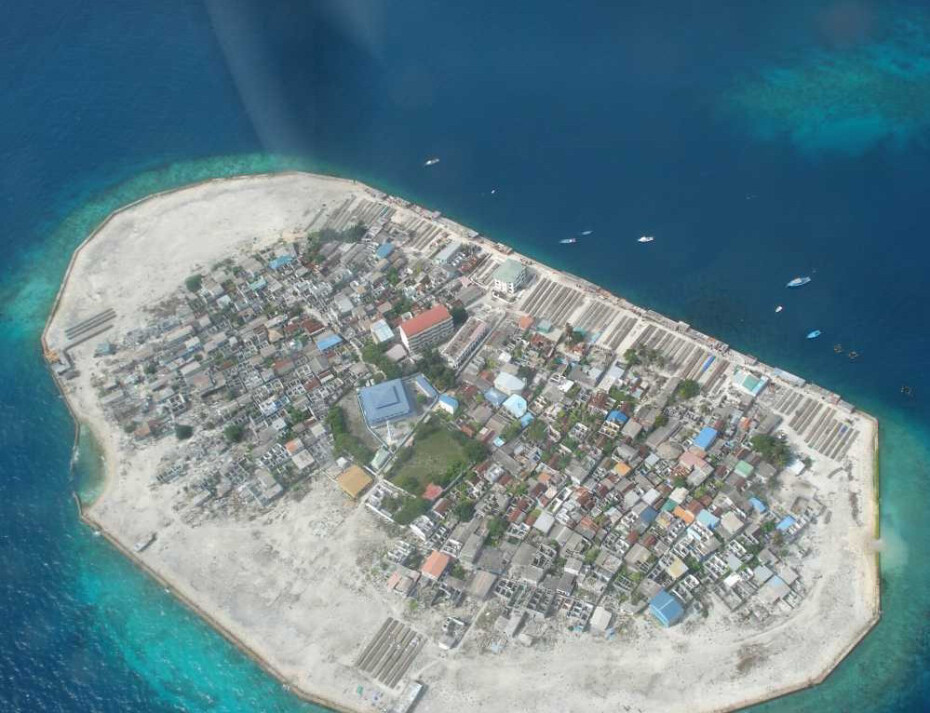
R. Kandholhudhoo after the Tsunami | @newzelandredcross
Choosing Dhuvaafaru
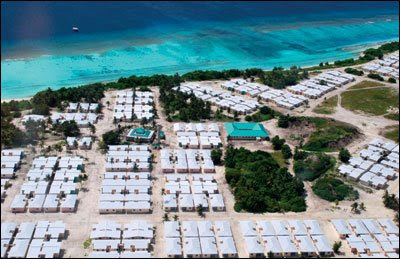
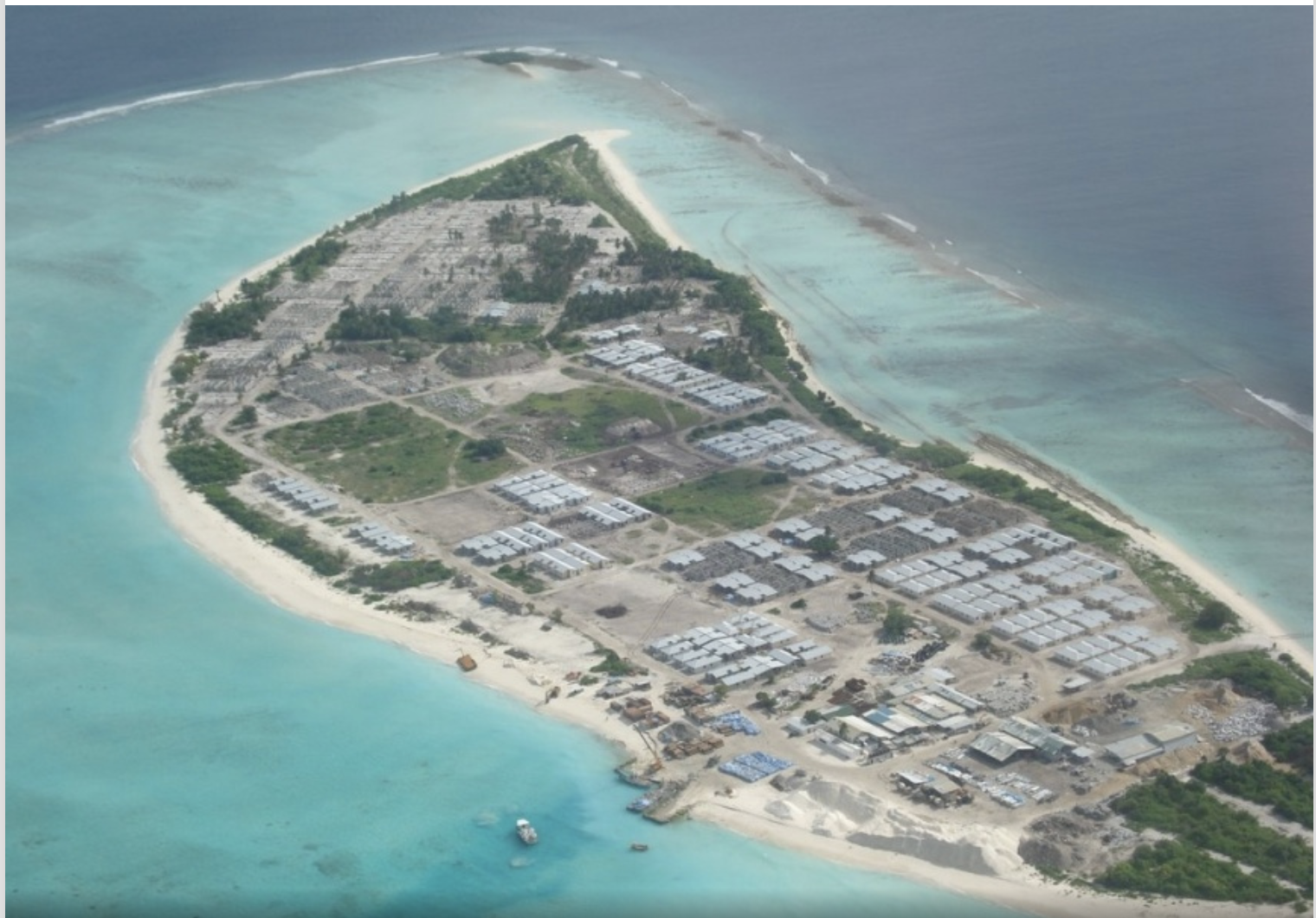
Under an agreement with the Government of Maldives in May 2005, IFRC committed to building a complete new community on the previously uninhabited island of Raa Dhuvaafaru, part of the national "safer island" recovery and reconstruction plan. The island sits on the eastern edge of Raa Atoll, about 25 minutes by boat from Kandholhudhoo. At 44 hectares it was significantly larger than the original island's nine. A reef encircled it, offering protection from tidal surges. It had a lagoon where the community's fishermen could work.
In addition, Oral histories suggest the ancestors of Kandholhudhoo's fishing community had once lived on Dhuvaafaru centuries earlier, before erosion forced them to leave. When IFRC and the government chose Dhuvaafaru, the community's descendants were, in a sense, being brought home.
Before construction could begin, IFRC moved swiftly to provide transitional shelter for the displaced community across several islands in Raa Atoll, a commitment the Maldivian Minister for Planning and National Development specifically acknowledged, praising IFRC for acting immediately while families waited for their permanent new home to be built.
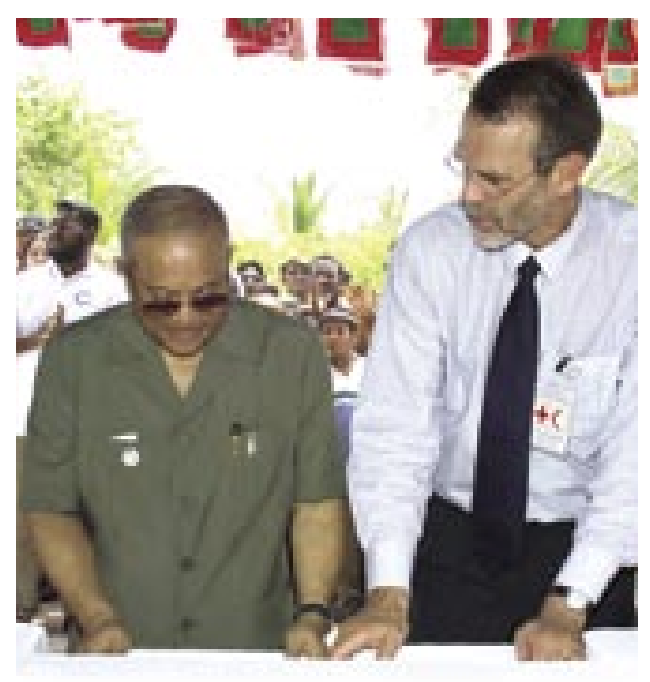
Former President HE Maumoon Abdul Gayyoom and IFRC Head of Delegation at R. Dhuvaafaru
Building from nothing — the scale of the project
Construction began in April 2006. In just under three years, an uninhabited coral island was transformed into a complete, planned community, the biggest single construction project in IFRC's history. The project included 600 new houses, three schools, a mosque, a health centre, an administrative complex, a sports facility, a full sewage and water system, a road network, and an electricity supply.
Per Jensnaes, IFRC's head of delegation, reflected at the community building handover ceremony:
"It has been a long journey — it has taken more than three years of construction work, given the logistical challenges involved, but we are now in the final lap."
Minister Hamdun Hameed, signing the handover documents on behalf of the government, acknowledged what had been achieved:
"We believe that the development of Raa Dhuvaafaru will be very significant to the future economic and social progress of the Maldives in general."
Throughout construction, IFRC maintained a deliberate and sustained relationship with the displaced community. Kandholhudhoo residents were given the opportunity to visit Dhuvaafaru once a month to inspect progress. IFRC staff appeared on live radio to answer questions. Regular consultations were held across the islands where families were sheltering.
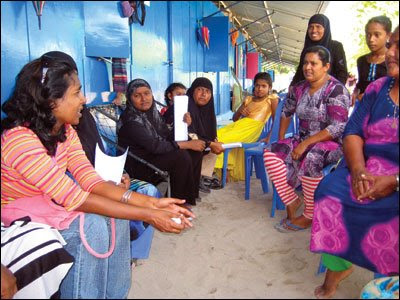
Community consultations carried out by IFRC throughout the reconstruction Project
Resettlement began on 14 December 2008. The community arrived by landing craft, assisted by the Maldives National Defense Force, carrying their belongings to houses chosen by lottery. On 2 March 2009, President Mohamed Nasheed officially inaugurated Dhuvaafaru as an inhabited island. Representatives of seven National Societies - American, Australian, British, Canadian, French, Japanese, and New Zealand Red Cross alongside IFRC and the Maldivian government, were present.