Our Formation
Following the 2004 Indian Ocean Tsunami, the International Federation of Red Cross Red Crescent Societies and number of Partner National Societies became engaged in the Tsunami relief and recovery operations in the Maldives. The extensive interventions from IFRC and Partner National Societies served as an introduction of the Red Cross Red Crescent Movement to the Maldivian Community.
A story that begins with a wave
On 26 December 2004, the Indian Ocean Tsunami devastated communities across the Maldives. It reached nearly every inhabited island, destroying homes, displacing thousands, and overwhelming the country's capacity to respond. The devastation wiped out decades of development in a single day. Four islands were permanently abandoned. Hundreds of communities were left to rebuild from almost nothing.
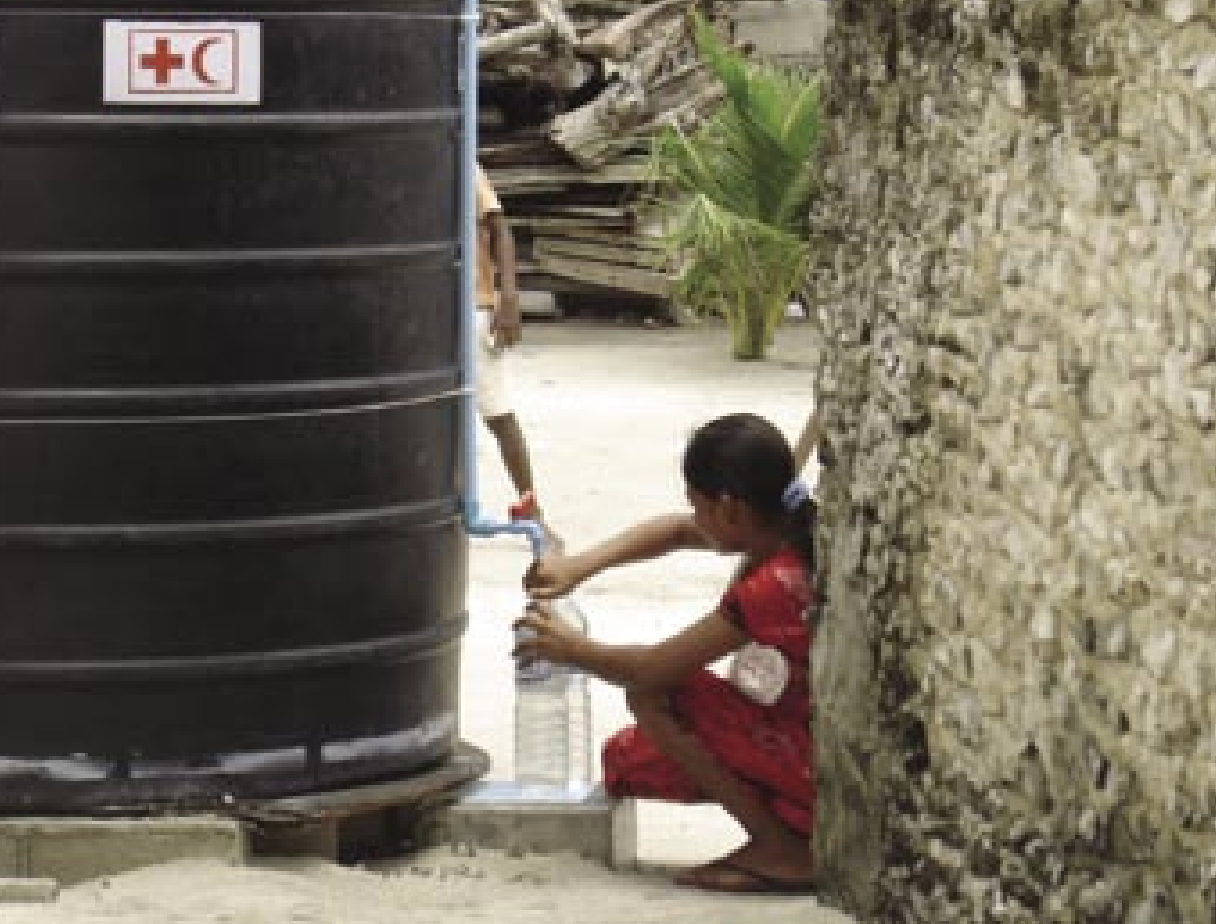
In the aftermath, the Red Cross Red Crescent Movement became one of the most visible and sustained humanitarian presences in the Maldives. Alongside many other international and national actors, IFRC and Partner National Societies worked across the country for several years — each taking responsibility for specific islands, sectors, and communities. Their collective response reached an estimated 256,000 people, contributing to a national recovery effort that involved government, civil society, and humanitarian organizations working in parallel.
For most Maldivians, it was their first encounter with the Red Cross Red Crescent Movement. Its scale, its speed, and its humanity left a lasting impression.
The Movement's work in the Maldives
The response of the Red Cross Red Crescent Movement to the 2004 tsunami in the Maldives was part of the largest humanitarian operation the Movement had ever mounted, with contributions from more than 100 National Societies across the world. In the Maldives, IFRC coordinated a sustained, multi-year response alongside Partner National Societies who each took direct responsibility for specific islands, sectors, and communities. Their collective response reached an estimated 256,000 people across the country. At the centre of IFRC's own operational response was the Dhuvaafaru project — the largest single post-tsunami reconstruction project in the Maldives and the biggest single construction project in IFRC's history.
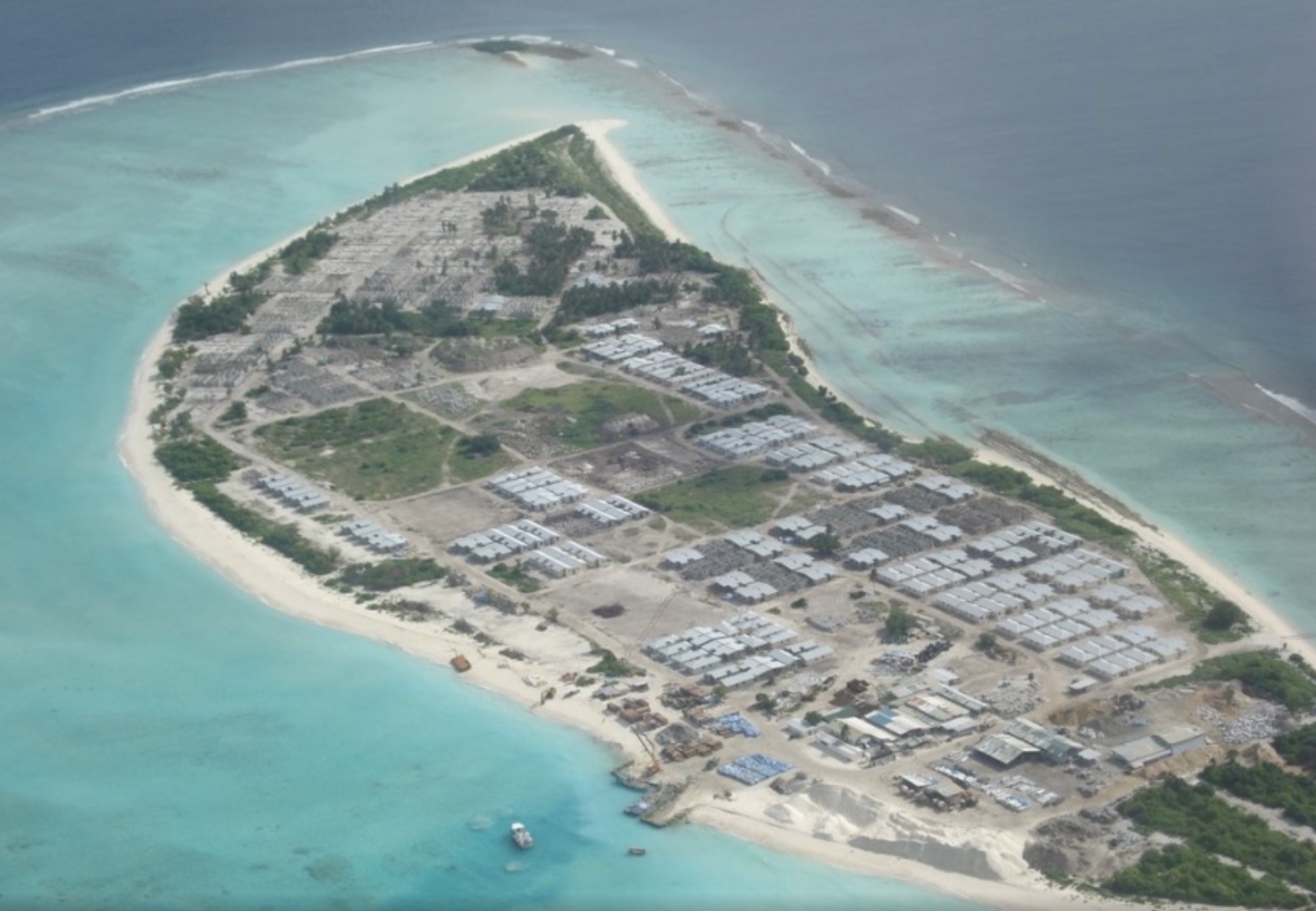
Building an Island — The Story of IFRC's Largest Post-Tsunami Reconstruction Project
The largest post-tsunami reconstruction project ever undertaken by the IFRC and the story of the community it was built for.
Read moreAmerican Red Cross
ran a psychosocial support Programme across 76 islands reaching 66,136 beneficiaries, training over 1,000 community facilitators and 173 government personnel in crisis intervention and psychological first aid. It also led sanitation infrastructure work across multiple central islands and co-led the first national measles vaccination campaign in the country's history, reaching over 80 percent of the Maldivian population
British Red Cross
led livelihoods and disaster management Programmes, distributing over USD 660,000 in grants to more than 8,000 people, and constructed 250 houses and a secondary school in Thaa Vilufushi, deliberately building to tsunami-proof standards designed to protect communities from future disasters,
French Red Cross
built housing and community infrastructure in Laamu Gan including a youth centre, sports facilities, and an extended regional hospital and provided livelihoods grants to 120 households
German Red Cross
Supported health centres on both Raa Dhuvaafaru and Thaa Vilufushi.
Canadian Red Cross
deployed relief supplies to the Maldives within 48 hours of the tsunami and subsequently supported waste management and community infrastructure clean-up operations across 70 islands
Australian Red Cross
jointly alongside Canadian Red Cross supported waste management and community infrastructure clean-up operations across 70 Maldivian islands.
Red Cross Society of China
with co-funding from the China Charity Federation, constructed 66 houses in Shaviyani Funadhoo.
Singapore Red Cross
contributed to the coordinated operation as one of nine National Societies formally reporting into the IFRC's Maldives tsunami Programme.
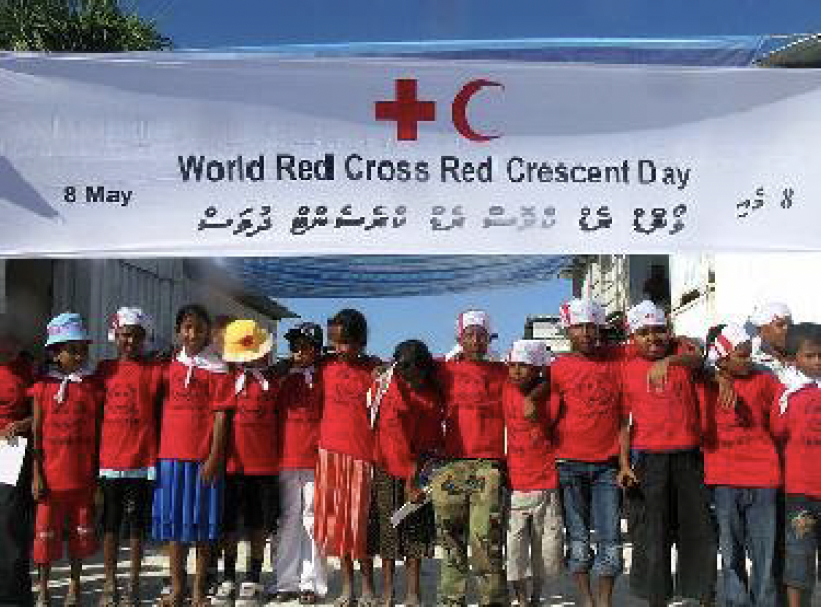
The formation of MRC
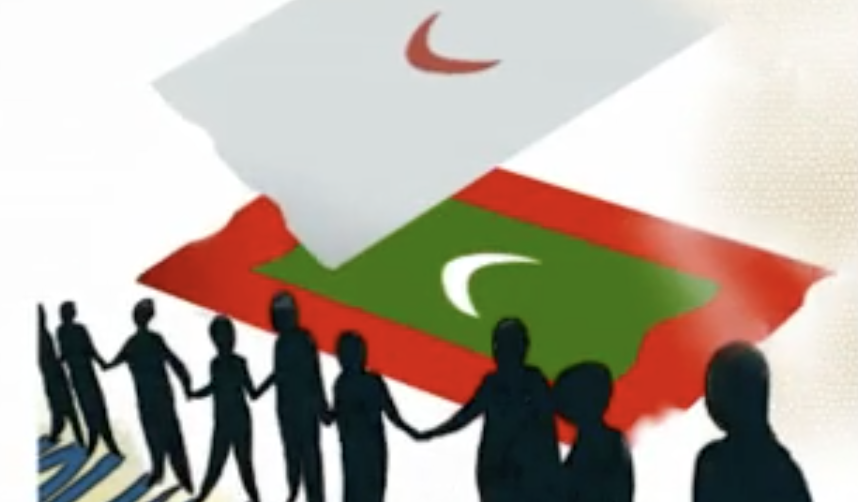
The depth of the Movement's presence in the Maldives between 2004 and 2009 changed how Maldivians understood the Red Cross Red Crescent. The IFRC's Plan 2009–2010 noted that the implementation of tsunami recovery programmes had "helped to establish goodwill and better understanding within the country about the humanitarian nature of the International Red Cross Red Crescent Movement" and that this understanding had generated support for the formation of a Maldivian National Society. The question had become impossible to avoid: why doesn't the Maldives have its own Red Crescent Society?
A new National Society was born
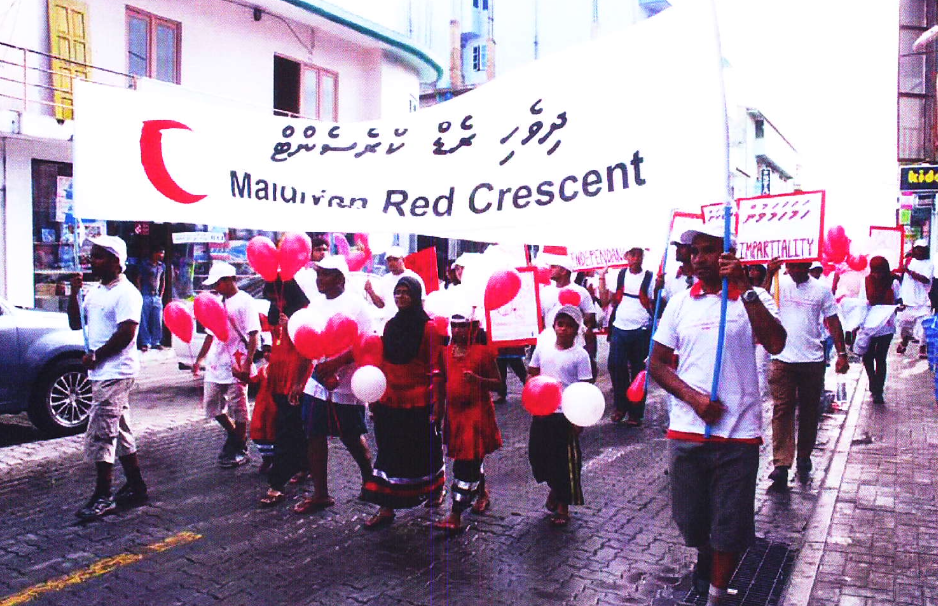
The process of establishing a National Society began in 2005, initiated by a group of volunteers from the Maldivian community who recognized the need for a Red Cross Red Crescent Society in the Maldives, that will provide humanitarian services to vulnerable segments of the Maldivian population.
Since 2007, the process was led by the Interim Planning Group (IPG) with the support of the IFRC delegation in the county. The process involved two main elements:- a) legal recognition through national legislation (an MRC Act) b) subsequent institutional formation through the completion of MRC’s first General Assembly and a process to develop MRC into a relevant, well-functioning Red Crescent Organization, with presence and activities across the country, eventually leading to international recognition by the ICRC and membership in the IFRC.
On 28th April 2009 the Maldivian Red Crescent Act was passed by the Maldivian Parliament and ratified on 7th May 2009. On 16th August 2009, the First General Assembly of the Maldivian Red Crescent took place in Male’ marking the official formation of the organization.
The ceremony to inaugurate the Maldivian Red Crescent was officiated by the Former President of the Republic of Maldives, HE Mohamed Nasheed, who said that the work to establish the Red Crescent had been “laborious”. He also stressed how the 2004 Indian Ocean tsunami had prompted the need for a National Society. Acknowledging the work carried out by the Red Cross in the aftermath of the Tsunami, he said, “no Maldivian is unaware of the extent of what I call a beautiful piece of work done by the Red Cross Red Crescent in the Maldives.”
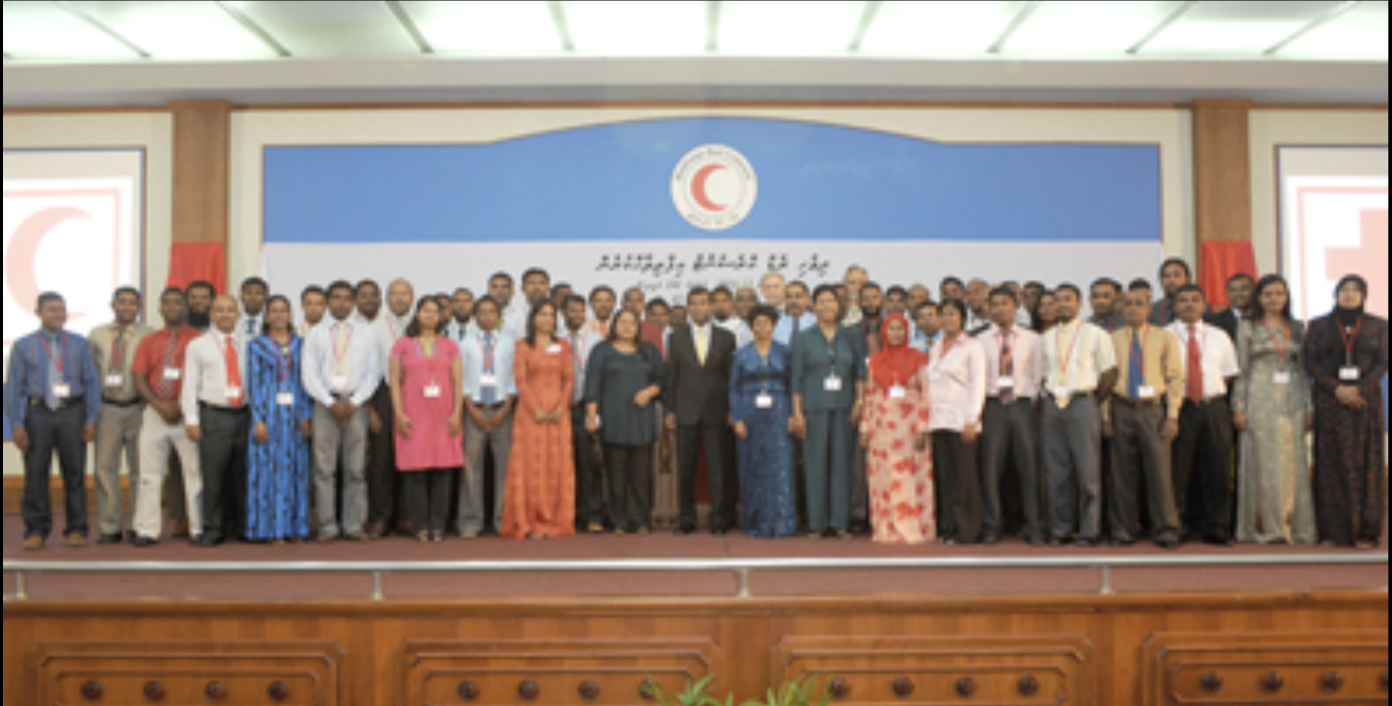
View photos from inauguration ceremony - here
The General Assembly elected the first governing board of the Maldivian Red Crescent. Nine members were elected, with the tenth appointed by the government, in line with the national society’s statues. The board members were elected from amongst 80 representatives drawn from Male’ and the country’s atolls. They include men and women, young and old, nurses, teachers, shopkeepers as well as divers, mechanics, and businesspeople. The board and representatives make up the first registered volunteers of the Maldivian Red Crescent.
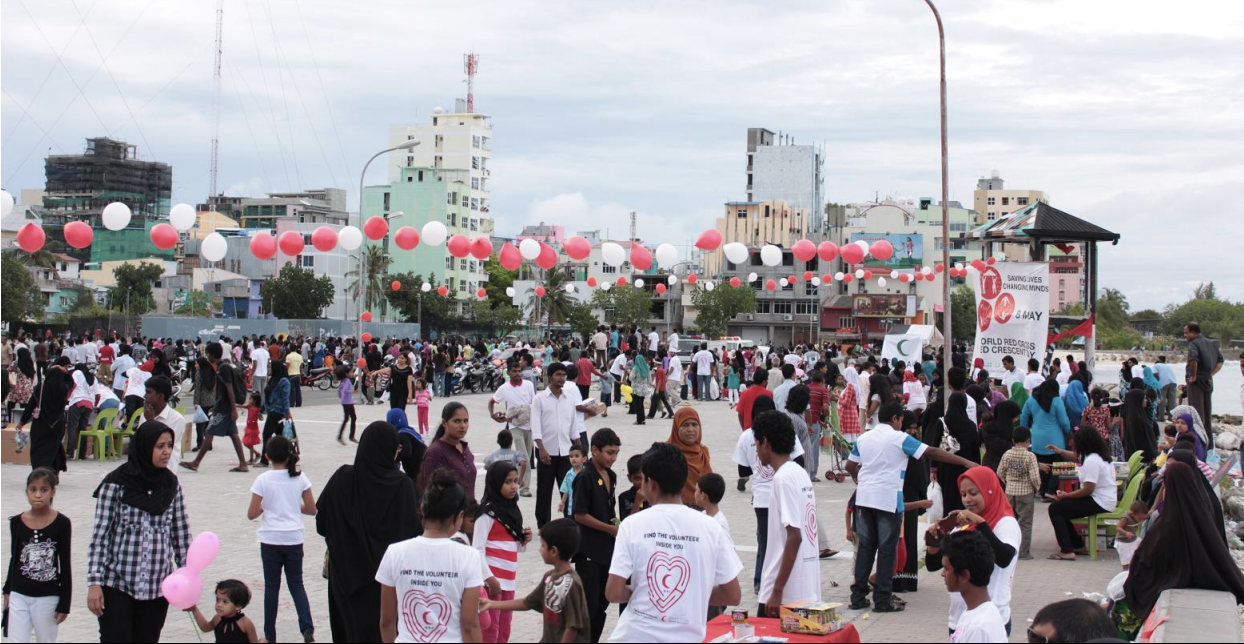
Building from the ground up
The founding of MRC on 16 August 2009 was not an ending, it was a starting point. What followed was two years of determined, unglamorous work: building the systems, policies, structures, and human capacity that a functioning National Society requires. The people who did this work, from first Governing Board, the first Secretary General, the staff team and volunteers were building something that had never existed before in the Maldives. They were doing it largely from scratch, with the support of IFRC.
Getting organized
Within weeks of the First General Assembly, MRC moved quickly to put its institutional foundations in place. The Governing Board adopted its foundational policies covering human resources, finance, volunteering, a Code of Conduct, and a Community-based Health and First Aid framework. On 22 September 2009, Ms. Rasheeda Ali was appointed as MRC's first Secretary General - the first full-time member of staff in the organization's history. By the end of the year, a functioning Secretariat of 16 contracted staff was in place, supported by 8 colleagues from IFRC.
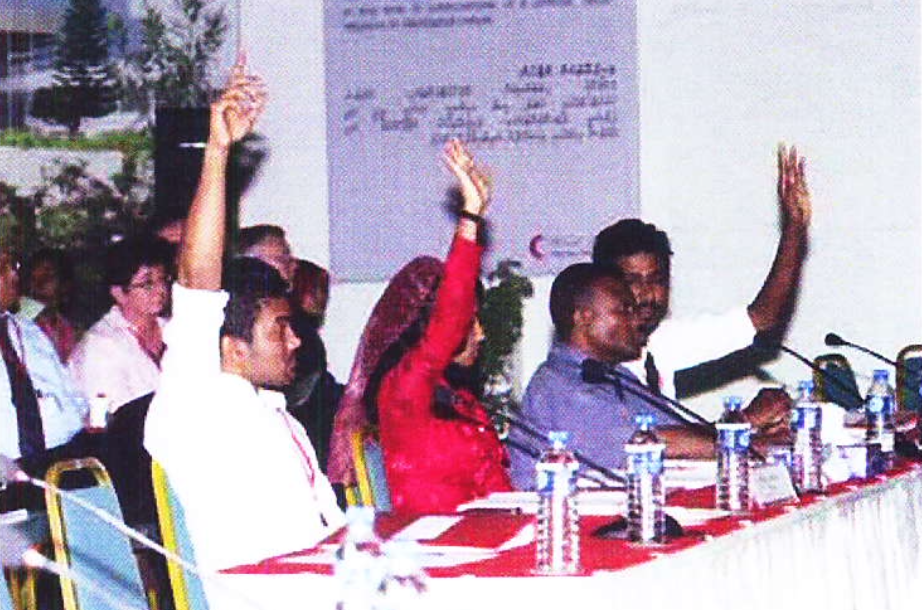
The Governing Board did not wait to engage with the wider Movement. A Leadership Workshop was held for the Board and National Advisory Council in December 2009. The MRC President attended IFRC leadership training in Geneva. A delegation of board members travelled to the IFRC General Assembly in Nairobi — gaining first-hand exposure to what a well-functioning National Society looks like in practice, and building the relationships that would sustain MRC's development in the years ahead.
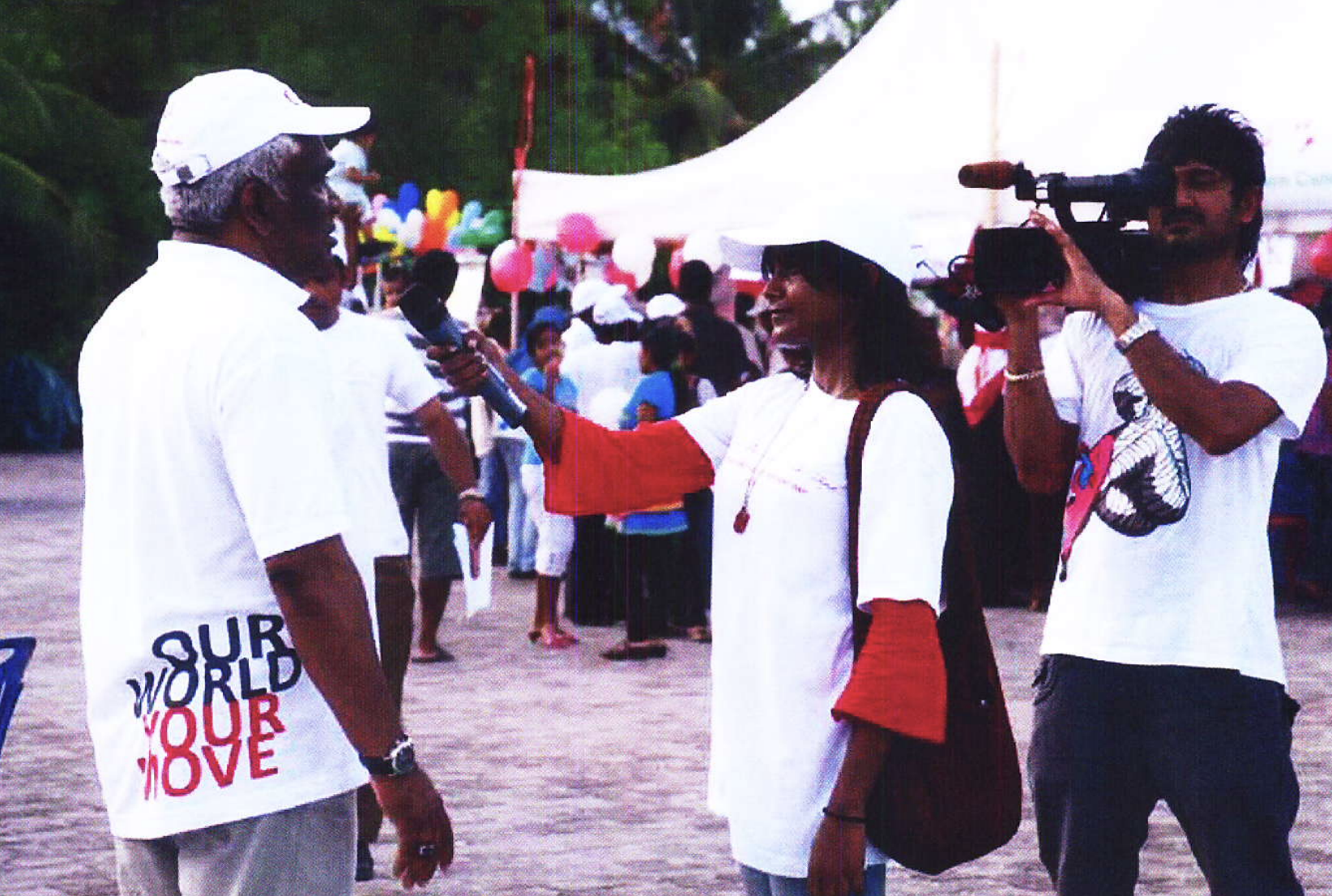
Emblem Protection Campaign
The emblem of Maldivian Red Crescent is protected by "Maldivian Red Crescent Act'l assigning authority to MRC to enforce it. MRC initiated an emblem protection campaign, to make the public aware and to take corrective action to protect the emblem. The cofiect usage of emblem was publicly announced through national television and radio channels and newspapers. This announcement was further backed by Ministry of Health and Family requesting aIl pharmacies, hospitals and health service providers to stop using the red crescent. This Joint effort has resulted in creating awareness, especially in Male' and some pharmacies have changed their signs to green crescents.
Growing the network
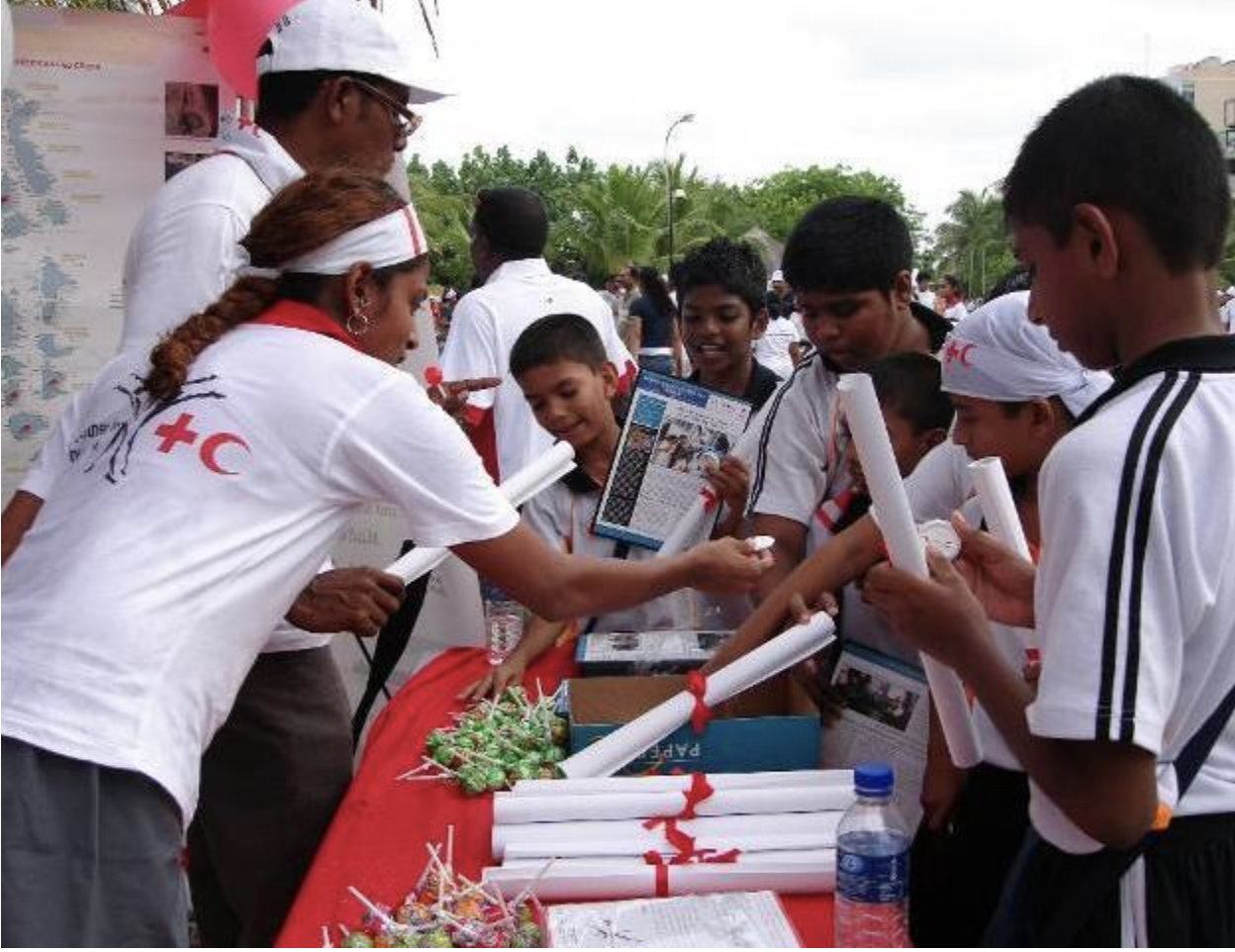
MRC's first full year of operations was defined by growth. Units and branches were established across the atolls. By April 2010, MRC had 524 paying members registered across the country from Haa Dhaal in the north to Seenu Atoll in the south - a remarkable achievement for an organization barely a year old.
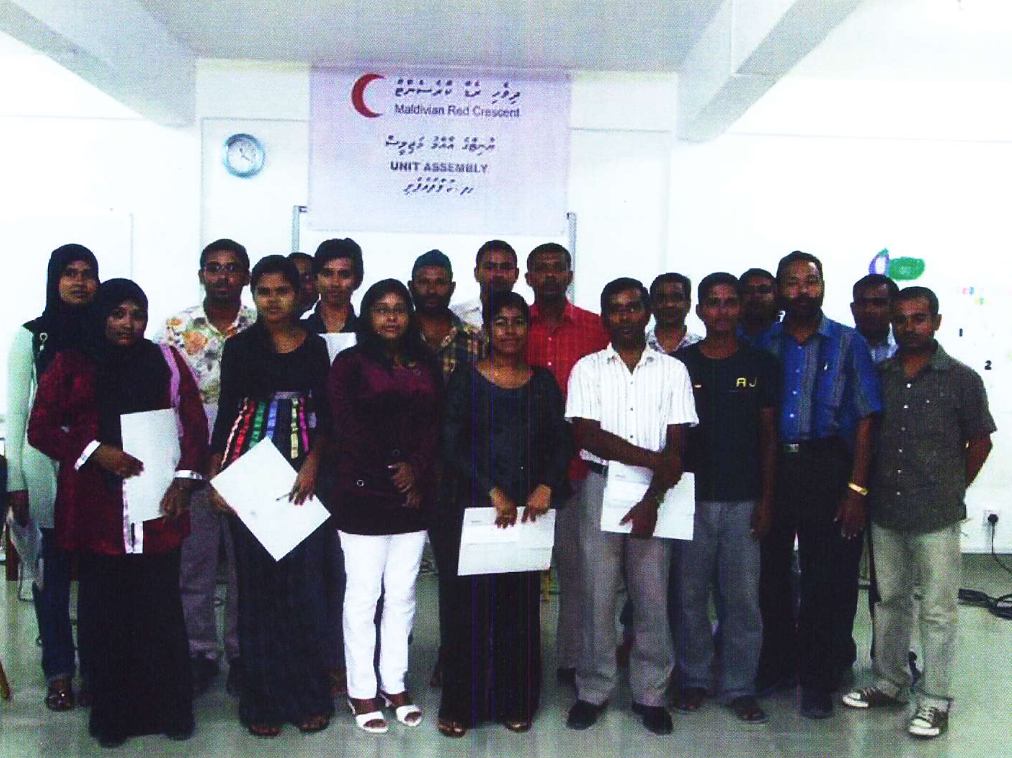
The Second General Assembly convened on 24 April 2010, adopting MRC's plan and budget for the years ahead and marking the organization's first full cycle of institutional governance. MRC was no longer just a founding document and a governing board. It was a functioning National Society with members, branches, and a growing presence across the Maldives.
Delivering humanitarian services
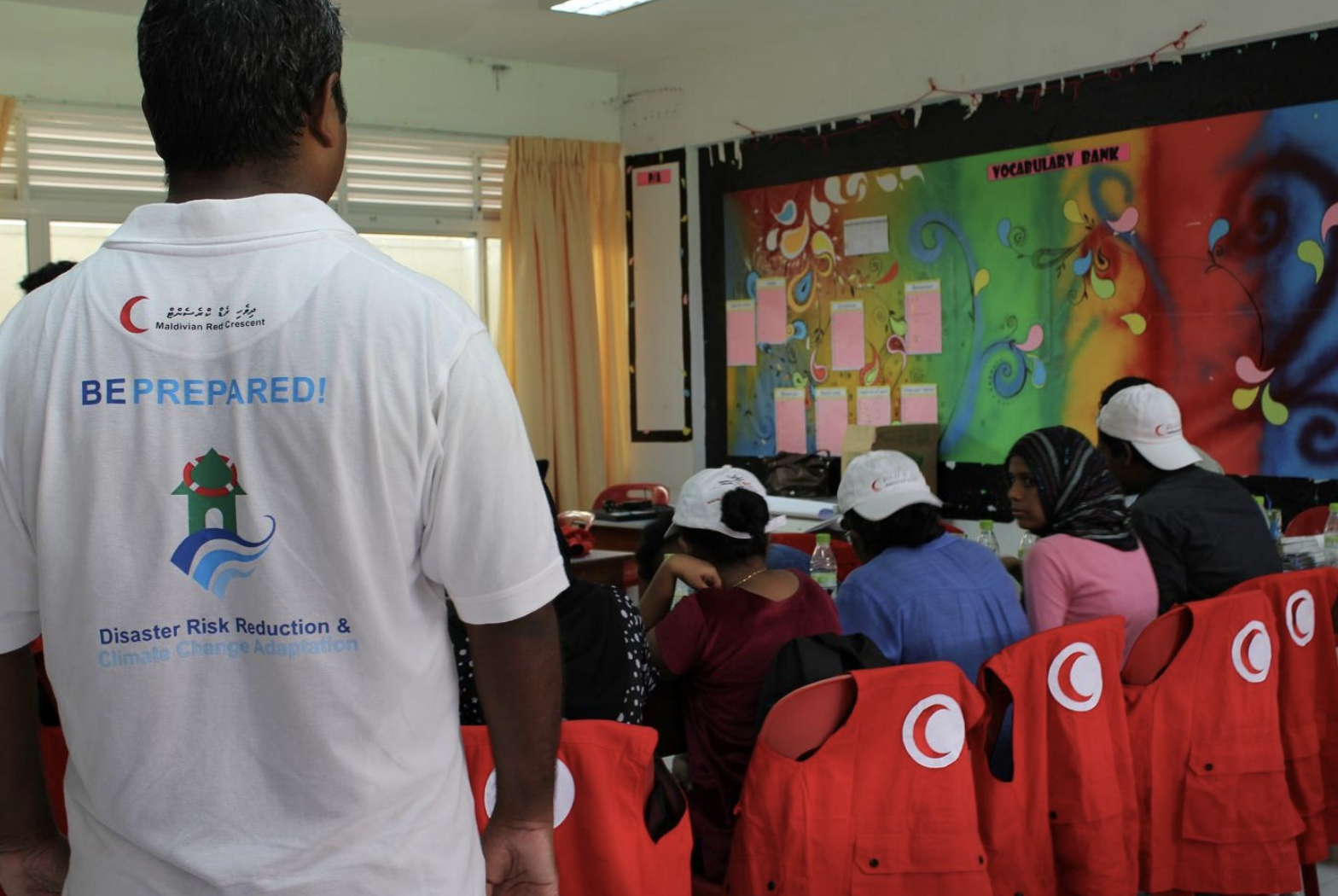
Alongside institution-building, MRC began delivering the Programmes and services across it's Units and branches. Community-based Health and First Aid training reached communities across MRC's growing network of Units. Disaster risk management and community preparedness work began on islands across the atolls. Health promotion and vector control activities were carried out in partnership with the American and British Red Cross and relevant government authorities.
Stepping onto the international stage
In 2011, MRC extended its presence beyond the Maldives for the first time. The Secretary General attended the IFRC President's Round Table in Delhi, the Commonwealth Red Cross Red Crescent International Humanitarian Law Conference in Kuala Lumpur, and the South Asia Secretaries General Forum in Colombo — establishing MRC's voice in regional and global humanitarian forums.
Most significantly, in August 2011 MRC hosted the 9th South Asian Disaster Management Working Group Meeting in Malé, the first time this regional meeting had been held in the Maldives. Sixteen participants from regional National Societies and IFRC attended, including a field visit to a nearby island community. MRC was not just a recipient of Movement support but actively began it's contribution to the global network.
Global recognition
Maldivian Red Crescent becomes the 187th member of the International RCRC Movement
Behind all of this activity ran a single goal, one that had been set at the very first General Assembly in 2009. To fulfill the ten conditions for ICRC recognition and IFRC membership before MRC's Third General Assembly. MRC formally applied in October 2010. A Joint Assessment Mission comprising representatives of both the ICRC and IFRC visited the Maldives from 2 to 7 October 2011, meeting with public authorities, governance, management, and volunteers, and undertaking field visits to two MRC Branches. On 9 November 2011, the International Committee of the Red Cross formally recognized MRC as a full-fledged National Society. Two weeks later, on 23 November 2011, MRC was admitted as the 187th member of the International Federation of Red Cross and Red Crescent Societies at the 18th IFRC General Assembly in Geneva, where the IFRC President Mr. Tadateru Konoe, awarded MRC its Certificate of Membership.
Watch video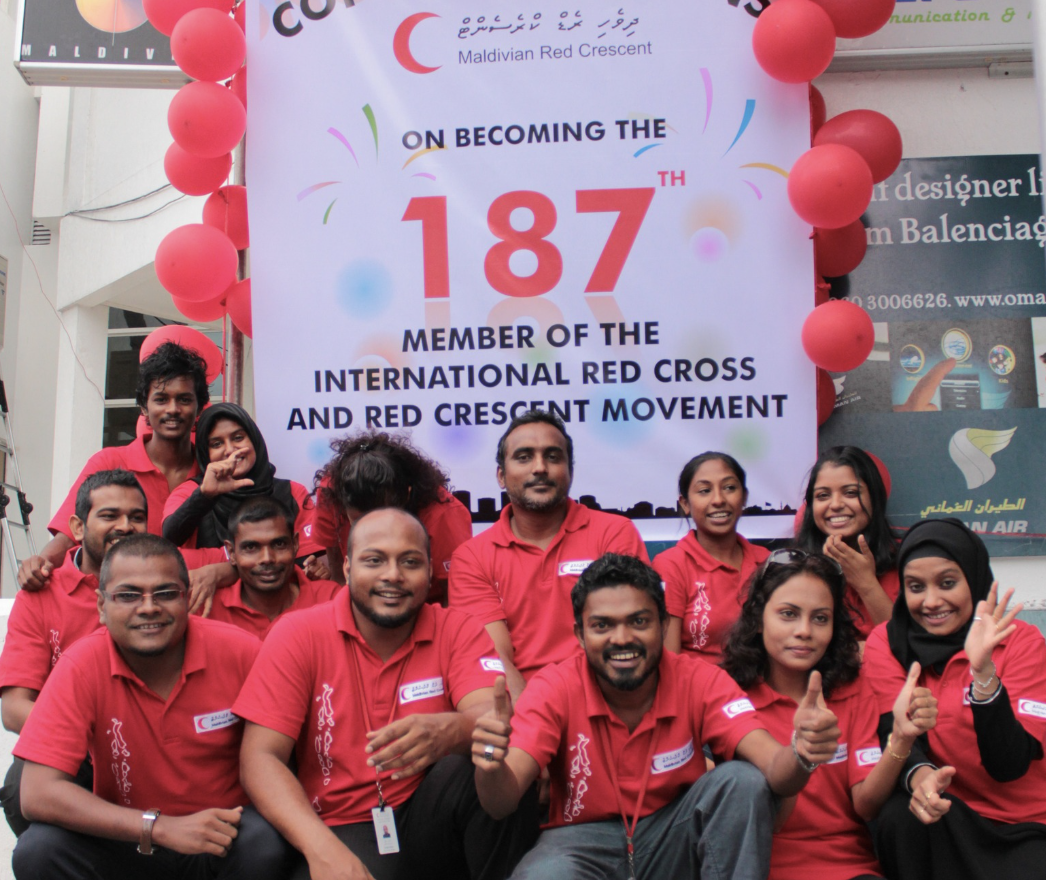
What followed the devastating tsunami of 2004 was an extraordinary outpouring of humanitarian action, one that brought the Maldives and the Red Cross Red Crescent Movement together. MRC did not come into being because of that response alone. It came into being because of a group of volunteers, community members, and advocates, who believed their country deserved its own National Society and dedicated years of their lives to making it a reality. It was their commitment, freely given and sustained through every obstacle, that turned an idea into an institution. MRC was not handed to the Maldives. It was built by its people.